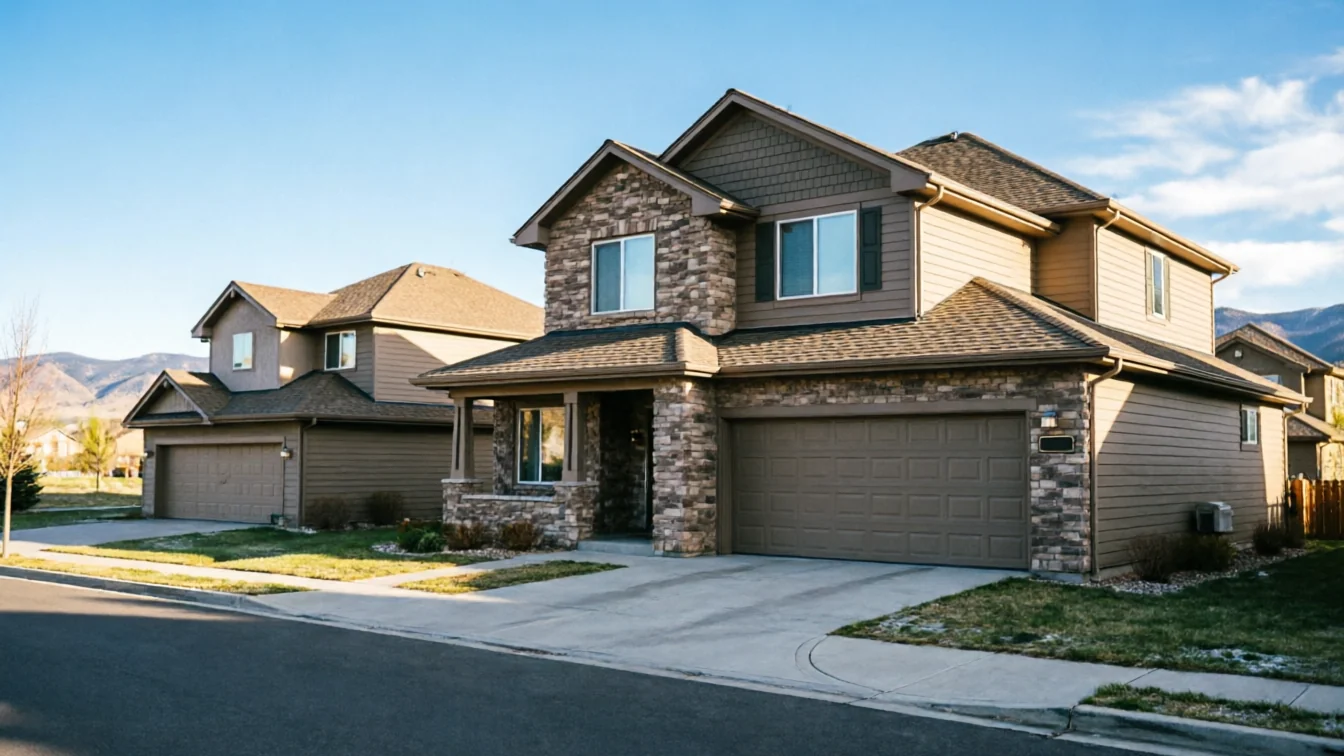
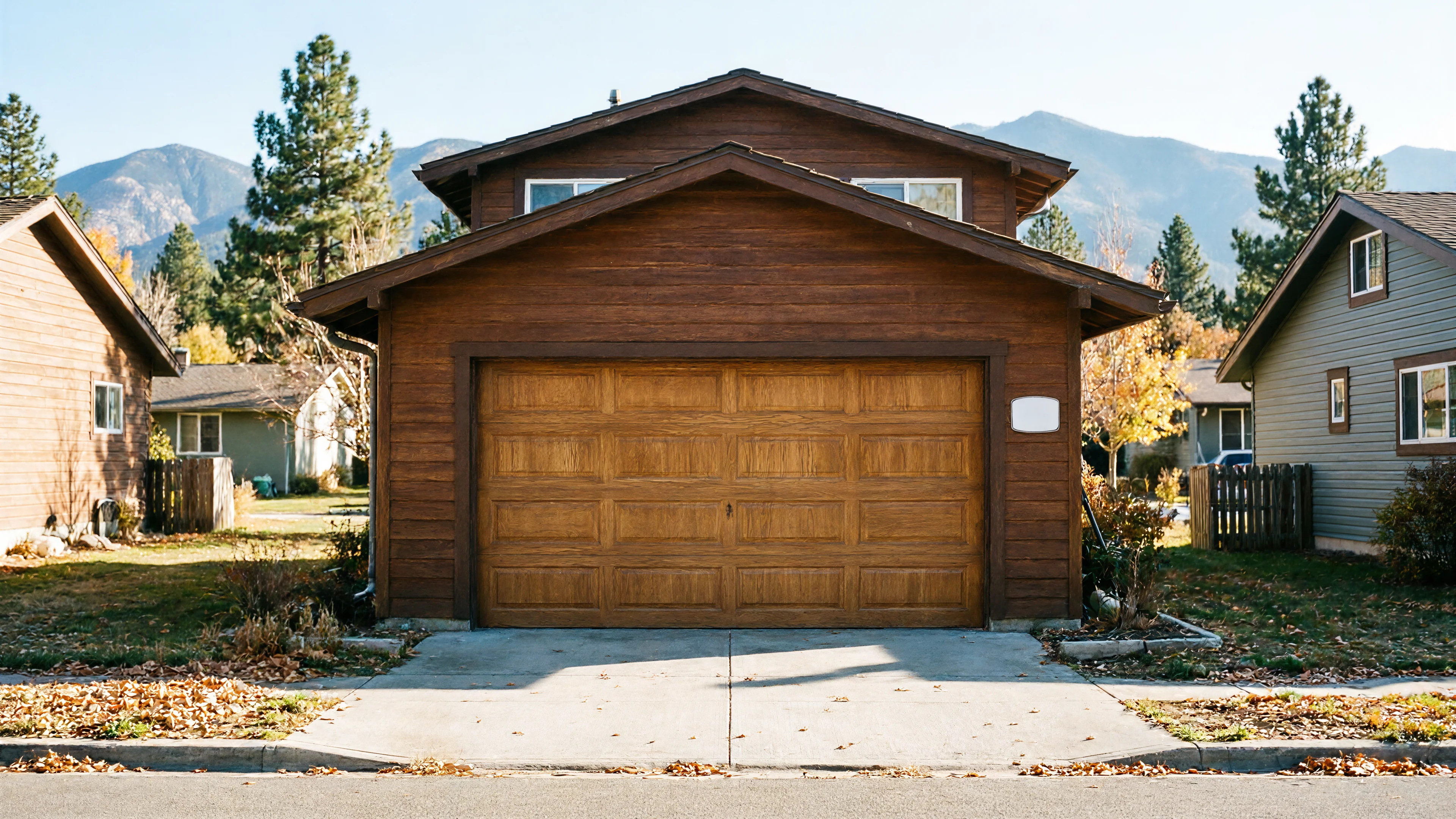
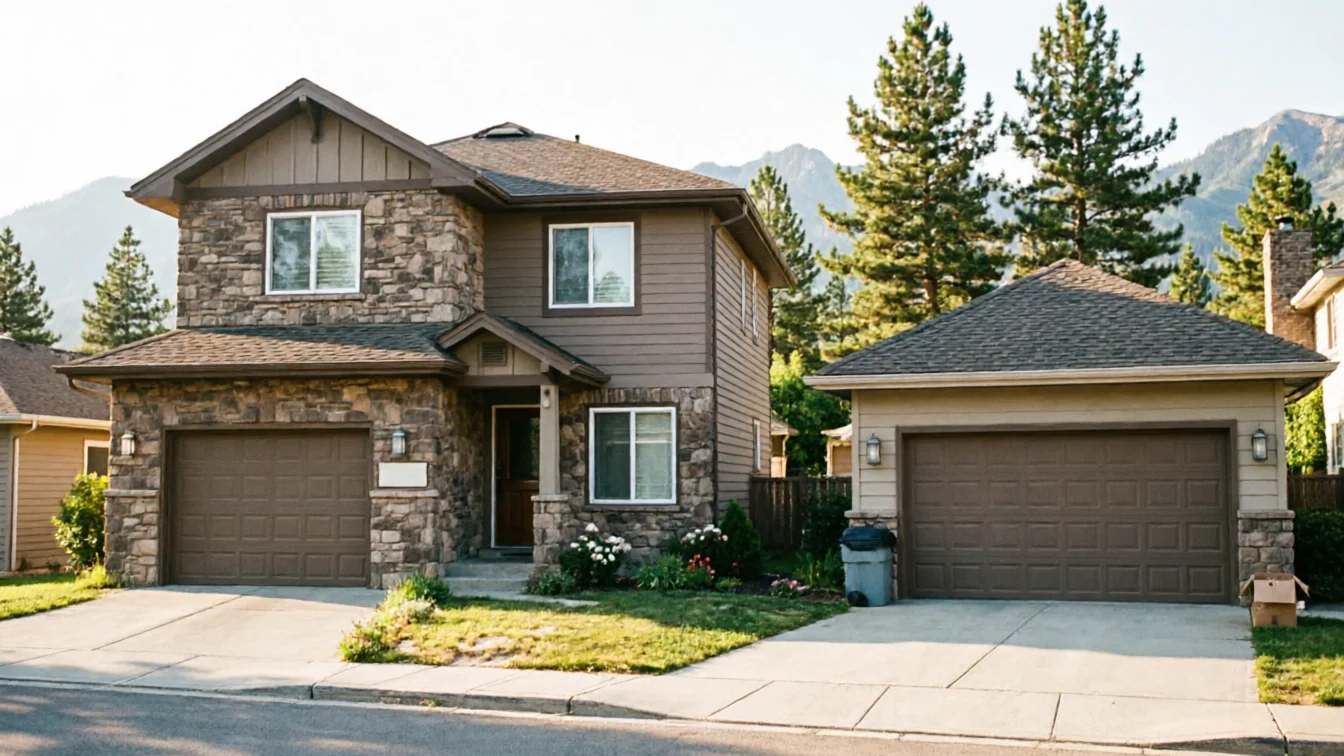
The service area counts about 12,335 households, and 9,323 of those are owner-occupied houses rather than rentals - the kind of number that tells you most of these garages belong to someone who's going to live with the repair, not a landlord doing the cheapest patch. Median household income across the area runs $95,419, which puts a full spring and hardware replacement within reach for most owners rather than forcing a stopgap fix.
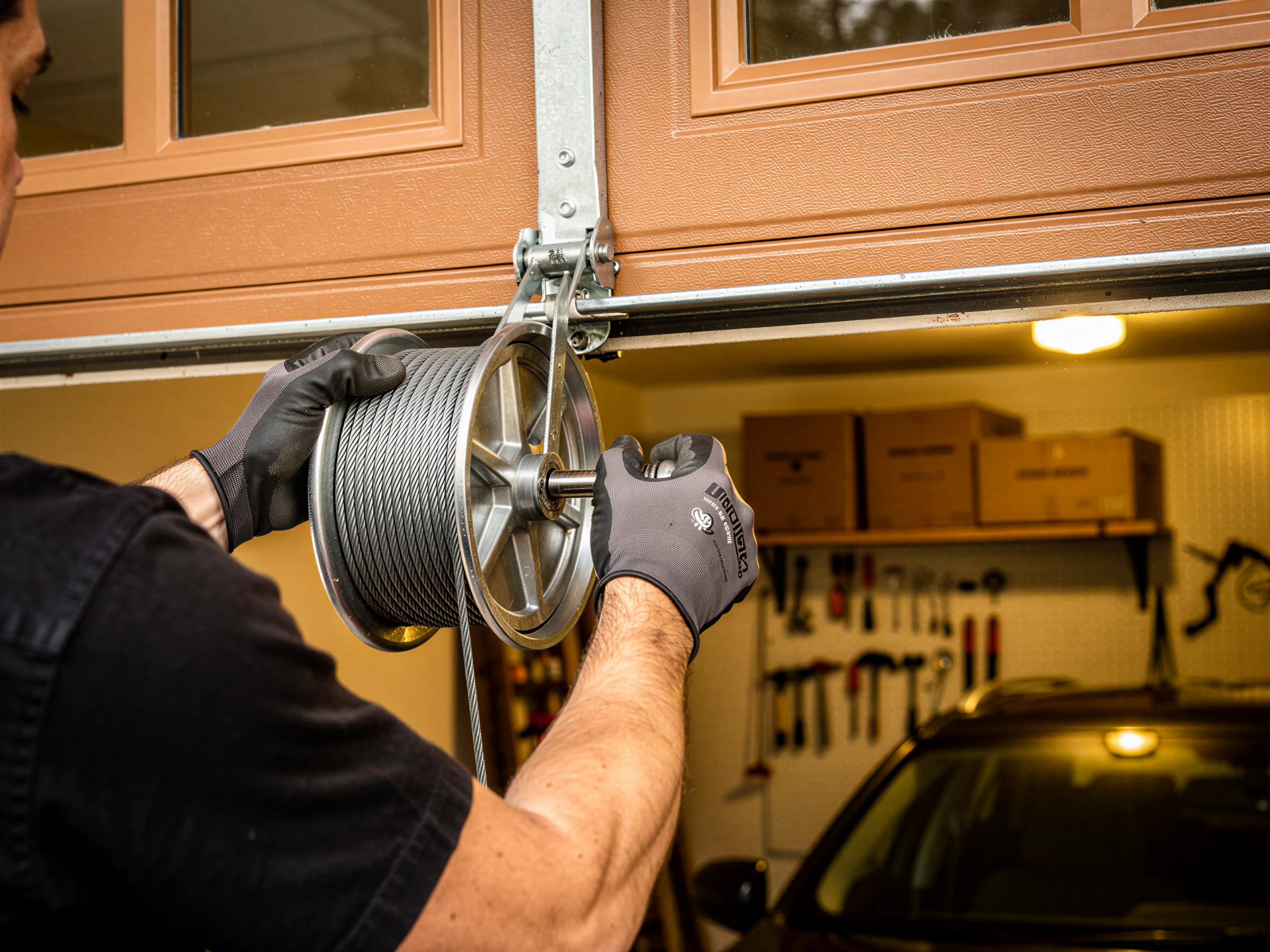
The building stock itself is mostly 1960s and 70s construction. That era means a fair number of garages still carry their original torsion hardware, builder-grade doors, and in some cases the single-spring setups that were standard before dual-spring systems became common on double doors. None of that is unsafe by itself, but it's old, and parts made fifty years ago don't match what's on the shelf today - a broken end bearing plate on a door that age sometimes means ordering a part rather than grabbing one off the truck.
We can't tell you which exact decade your specific block went up without seeing the door and the opener's date plate. What we can tell you is that nothing about this area's housing age is unusual for a repair call - it's the norm here, not the exception.