Local detail
What the Housing Means for Your Door
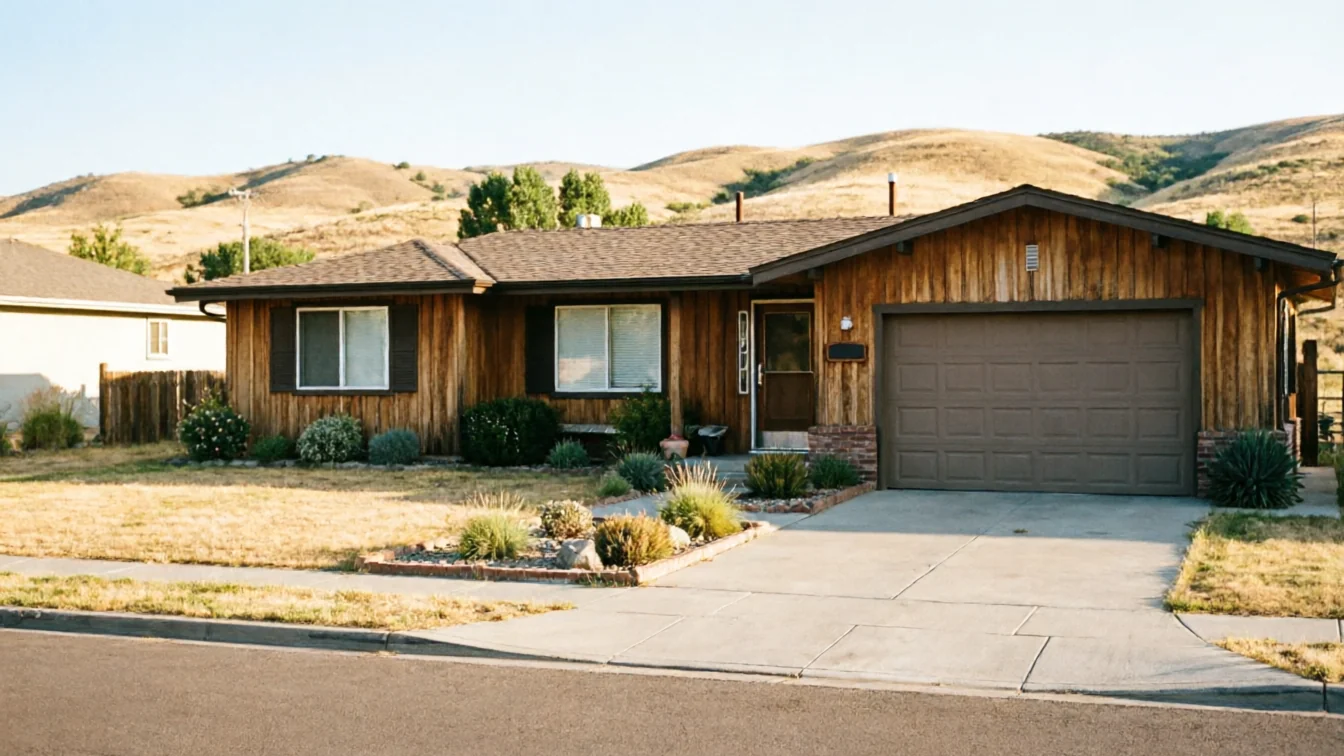
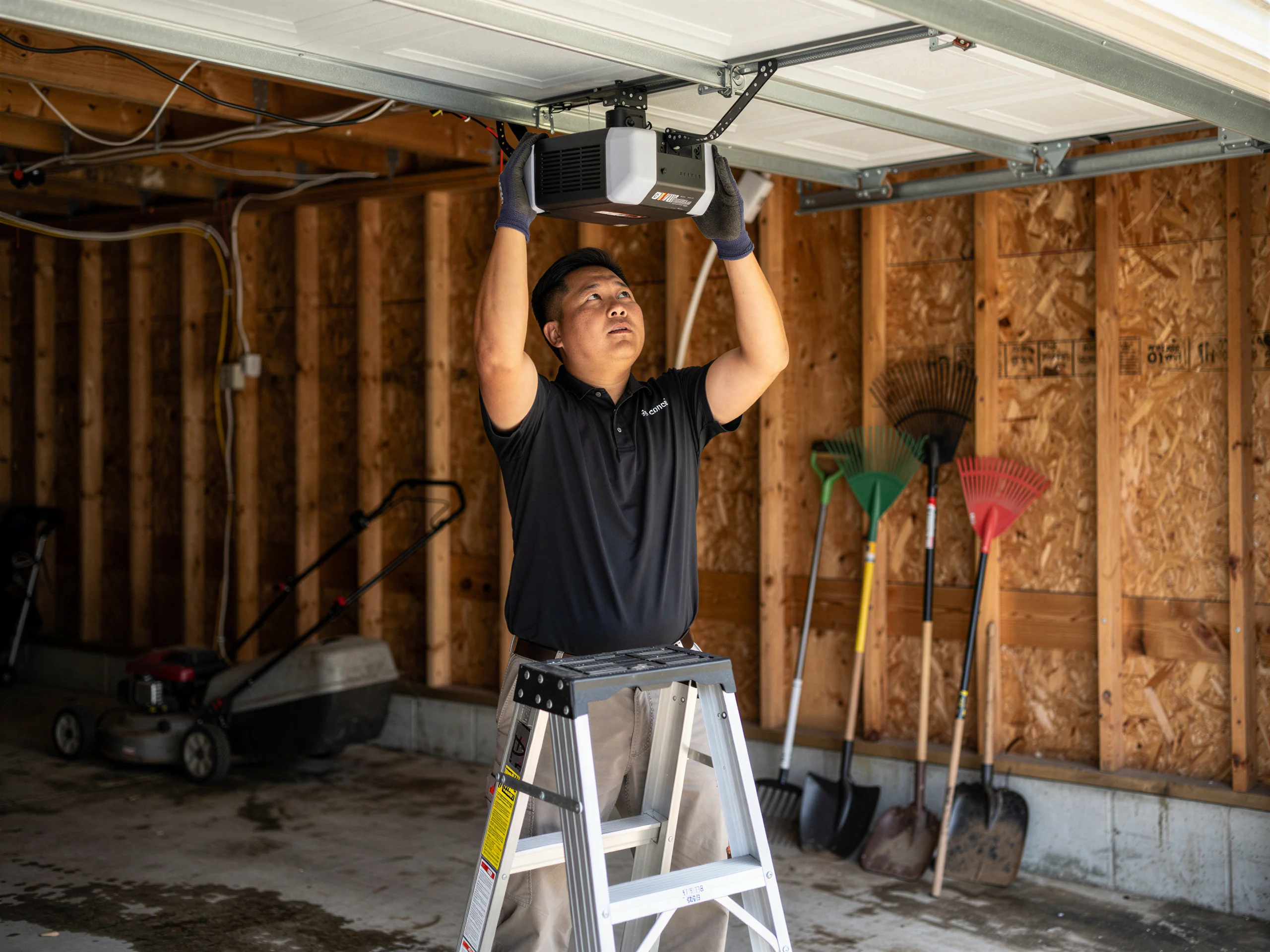
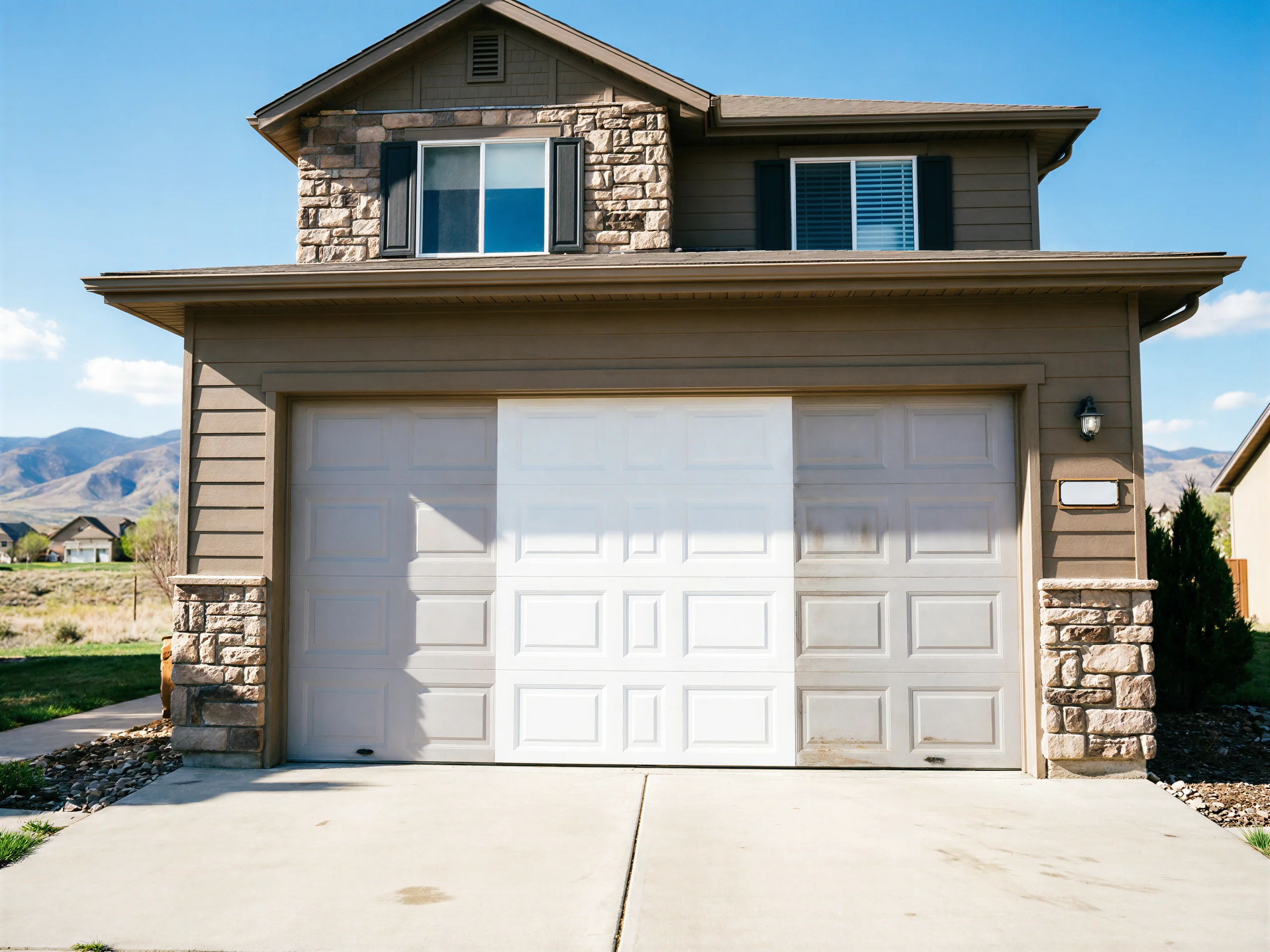
Pueblo West is not a 1960s neighborhood with a few replacement doors mixed in. The build-out here runs later, centered around 1999, which puts most garages a couple decades newer than the older sections closer to Pueblo proper. That matters for the parts we carry on the truck. Instead of original one-piece doors on side-mounted torsion hardware, we're mostly looking at sectional steel doors on standard extension or torsion springs, with openers that are chain or belt drive units installed sometime in the late 90s or 2000s.
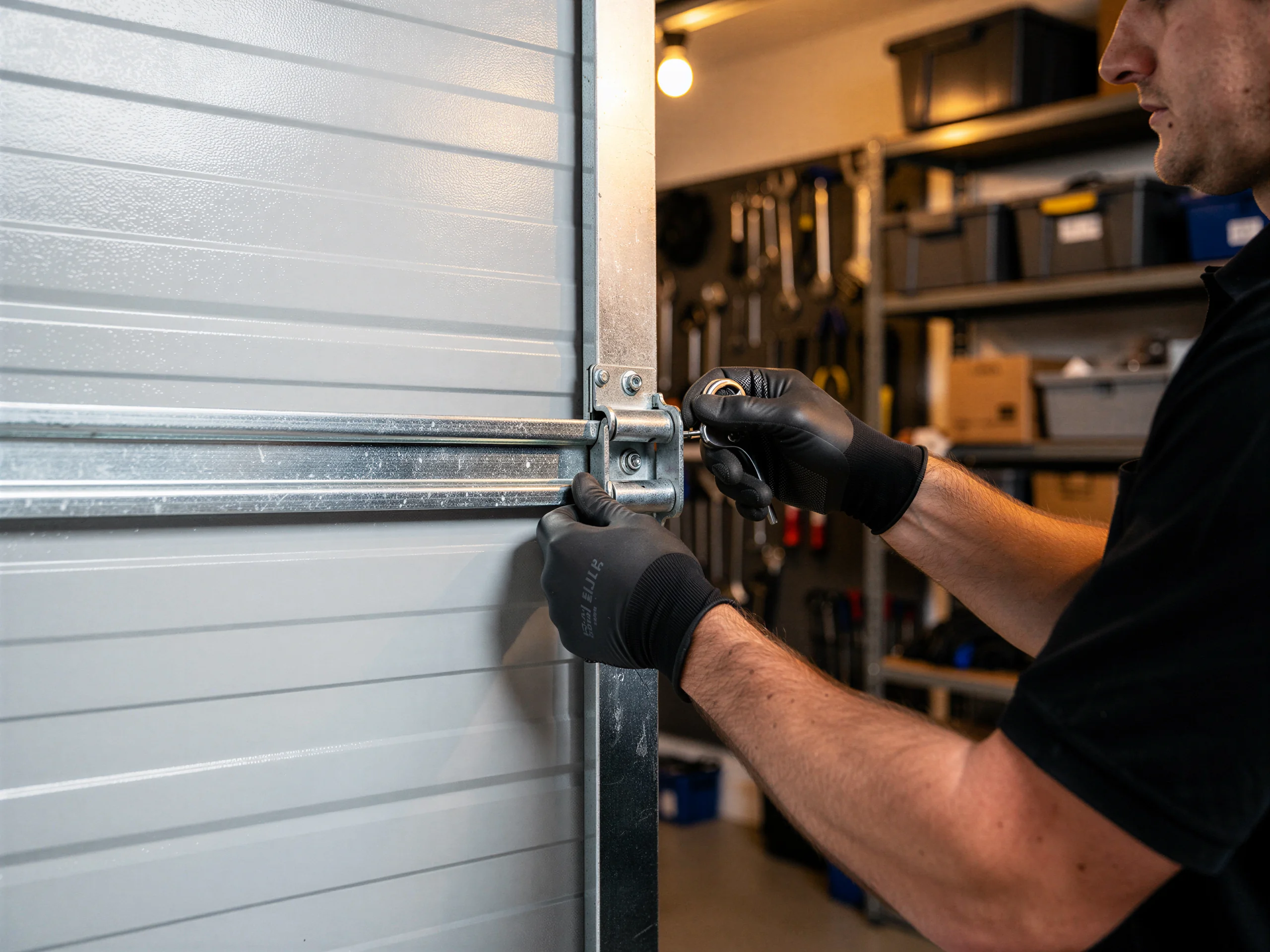
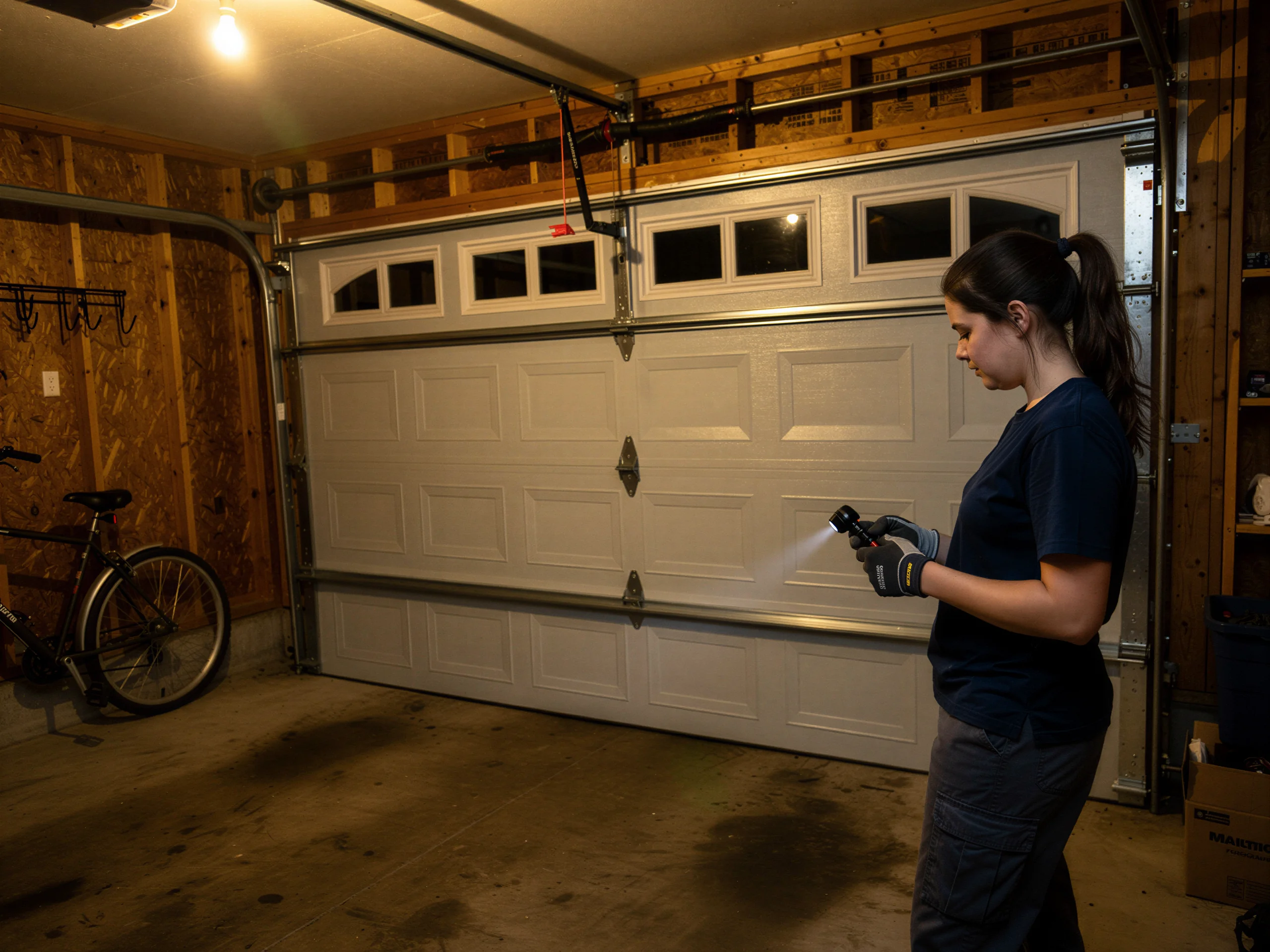
The common failure here isn't "this part doesn't exist anymore." It's wear: springs rated for a certain cycle count finally giving out, rollers that have gone 20-plus years without grease, openers with logic boards starting to fail the way electronics do after two decades of service. Nylon rollers crack. Safety sensors drift out of alignment. None of that is exotic - it's just what happens to a door built in the Clinton or early Bush years that's never had a tune-up.
We still see a handful of older builds mixed in, so we don't assume every job is the same hardware. But if you tell us your house went up in the late 90s, we already have a decent guess at what's inside the garage before the truck leaves Pueblo.
The area
Getting Here
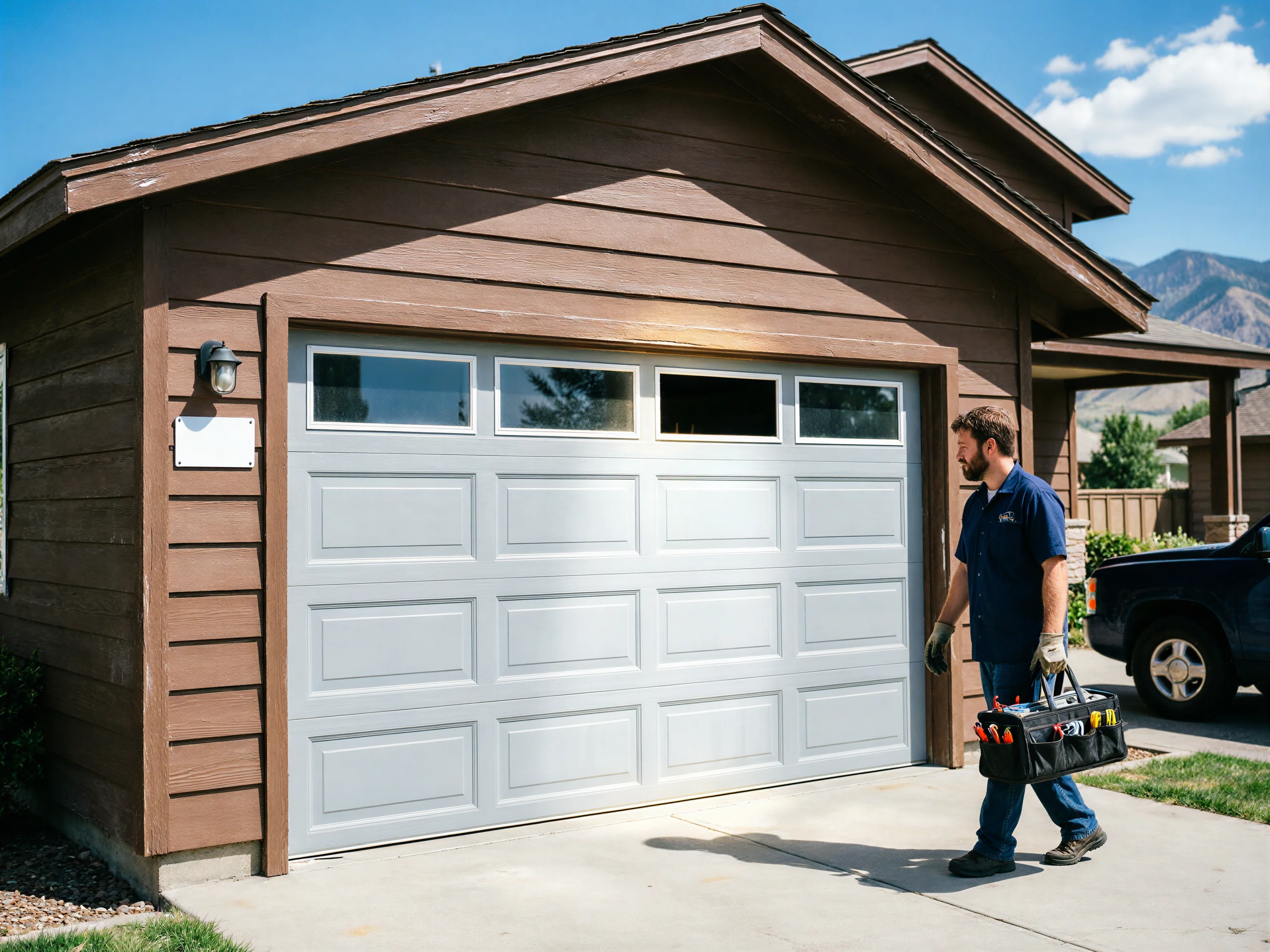
Pueblo West sits about 10 miles from our base in Pueblo. We don't keep a depot or a standing crew out here - every job means a drive, which we plan for when we schedule. If you're near Mesa Junction, Bessemer, or the other close-in neighborhoods, we're often already routing jobs in that direction; Pueblo West calls get worked into the same day's loop when we can, but we're not going to tell you we've got someone parked around the corner, because we don't.
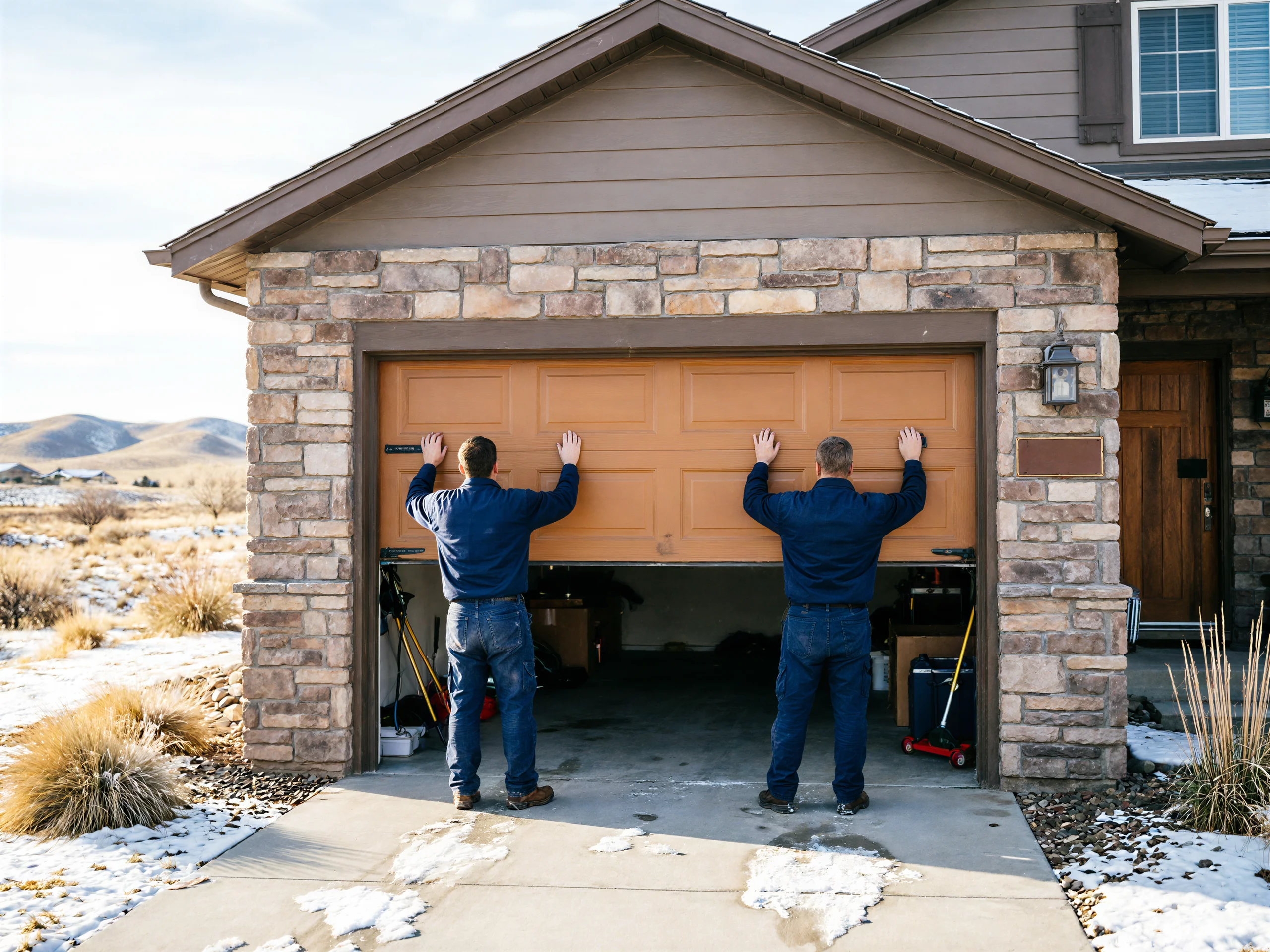
That 10-mile stretch matters for one practical reason: if a spring snaps and the door won't move at all, say so when you call. We'd rather know up front that the car's trapped than find out when we pull up.
What we find
The Usual Work Here
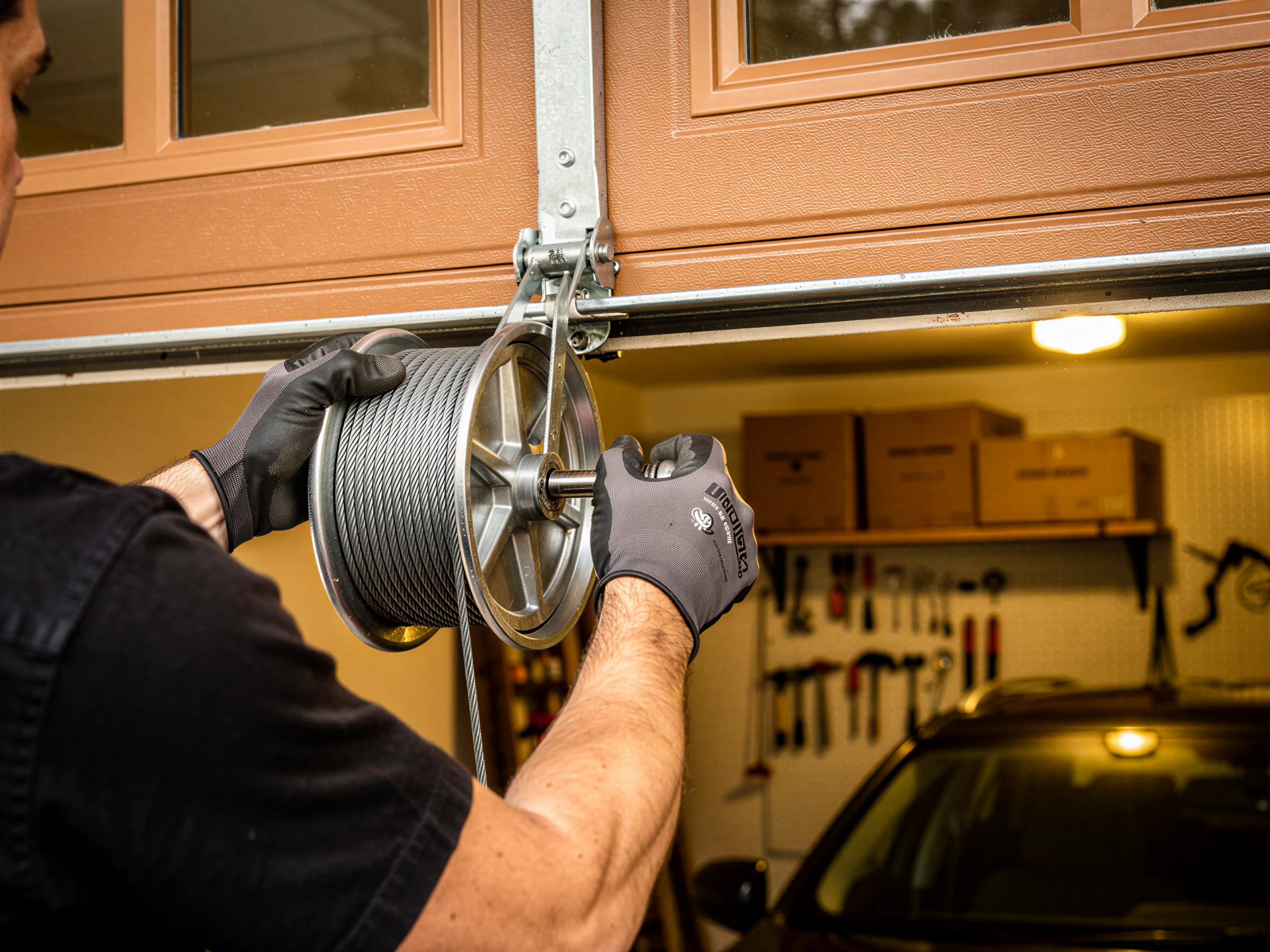
Most of what we're called out for in Pueblo West is spring replacement, opener repair, and roller/track service on doors that are roughly 15 to 25 years old - which lines up with a median build year around 1999. Torsion springs on a standard double door are rated for a set number of cycles, and a lot of these houses are hitting that mark now, sometimes with the original spring still installed.
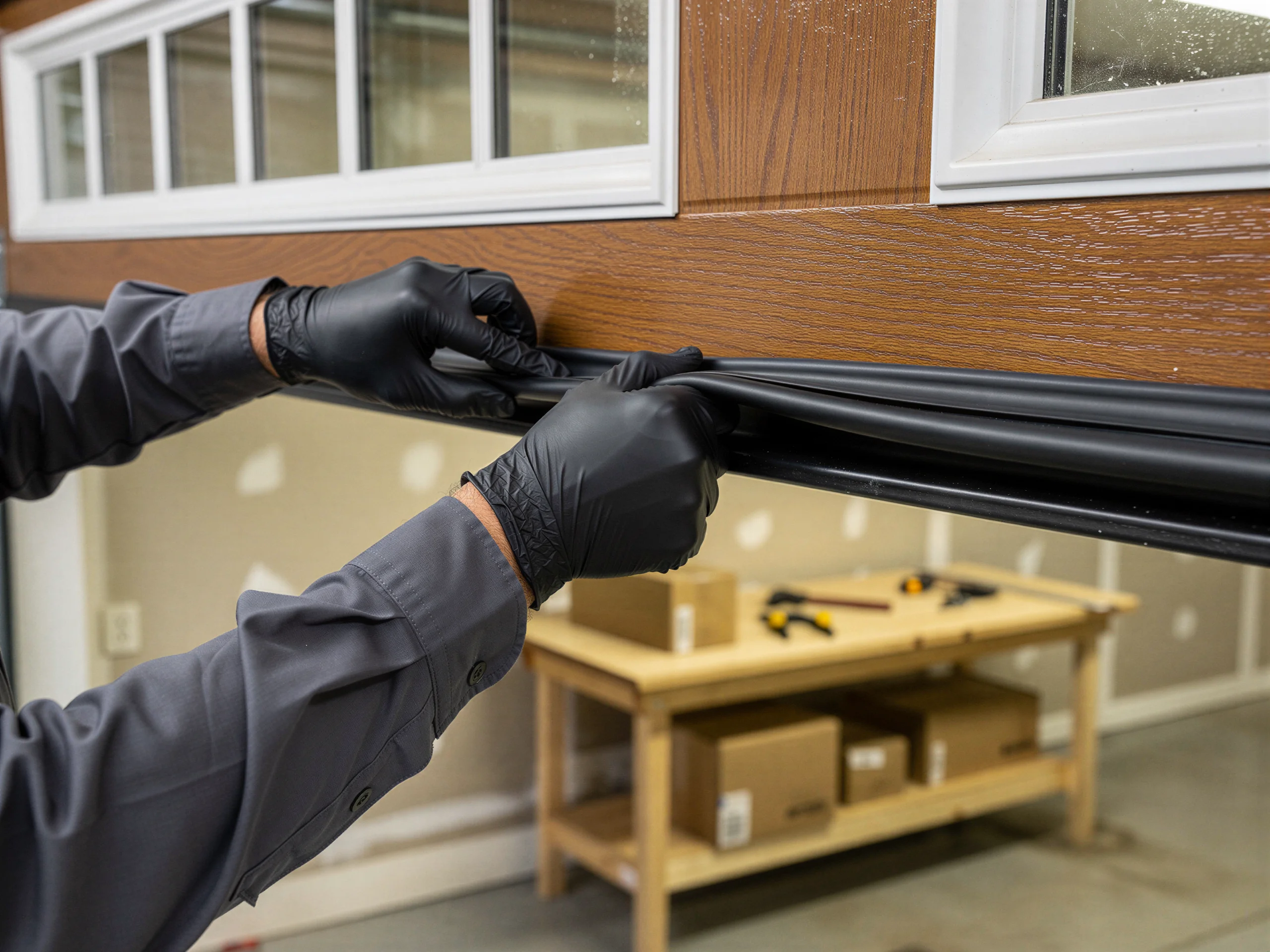
Winter adds its own wear. This is a cold-climate service area, and a steel door left unbalanced or under-lubricated fights harder against stiff cold-weather hinges and seals that have hardened with age. We see more no-start opener calls and off-track doors in the cold months than any other time of year.
One honest limit: if a spring has been replaced with a mismatched size at some point, or the drums don't match, we may need to order the correct parts rather than force a fix on-site. We'd rather get it right on the second visit than leave a door that fails again in six months.
How we work
What Was Built Here
Pueblo West is a newer build-out relative to the core Pueblo neighborhoods - 1999 is the rough center of the housing stock, not the 1960s-70s era you'll find in many of the closer-in areas. Across the wider service area there are 9,323 owner-occupied houses among 12,335 households, and a median household income of $95,419, noticeably higher than the Pueblo-proper average. That income level tends to show up in service calls as more full opener replacements and insulated steel door upgrades, rather than patch repairs on doors people are trying to stretch another decade out of.
We size parts and openers to what's actually sitting in these garages - newer steel sectional doors, openers with safety sensors as standard, torsion springs that haven't been superseded by a different style the way older hardware sometimes has. It's a more straightforward fleet of doors to work on, cold-weather wear aside.